How to Relieve Knee Pain at Home: 7 Simple Self-Care Steps
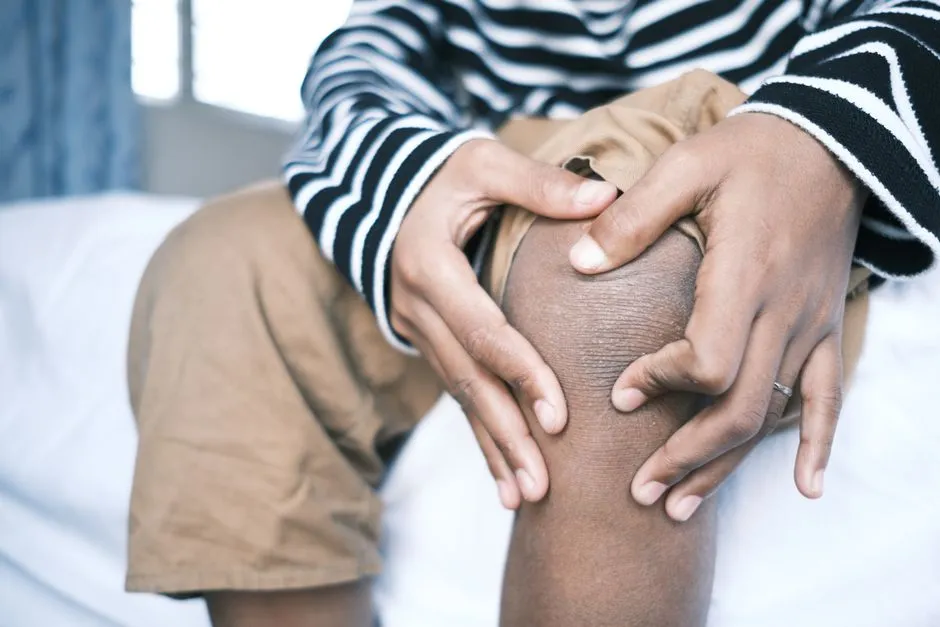
How to Relieve Knee Pain at Home
For everyday, garden-variety knee soreness, home care comes down to a handful of unglamorous basics: ease off aggravating activities without stopping movement entirely, use ice for fresh flare-ups and heat for stiffness, keep gentle motion in the joint, and gradually strengthen the muscles that support it. None of these are cures — they are ways to calm an irritated knee while it settles. If your pain is severe, followed an injury, or simply isn't improving after a couple of weeks, that's your cue to see a doctor or physical therapist rather than push through.
Here are seven self-care steps, in roughly the order most physiotherapists would suggest trying them.
1. Use relative rest — not total rest
Complete rest tends to make knees stiffer and weaker, which is the opposite of what you want. Instead, use relative rest: temporarily cut back on whatever clearly aggravates the pain — deep squats, long runs, stairs taken two at a time — while keeping up gentle activity like walking on flat ground, cycling, or swimming.
A useful rule of thumb: mild discomfort that settles quickly is usually acceptable; sharp pain, or soreness that's noticeably worse the next day, means you did too much.
2. Choose between ice and heat
Ice and heat both help, but at different times. Neither fixes anything — they simply make the knee more comfortable so you can keep moving.
| Ice | Heat | |
|---|---|---|
| Best for | Fresh flare-ups, pain after activity, mild swelling | Stiffness, chronic achiness, before activity |
| How | Cold pack wrapped in a thin towel | Warm pack, heating pad, or warm shower |
| How long | About 15–20 minutes at a time | About 15–20 minutes at a time |
| Avoid | Ice directly on bare skin | Heat on a hot, swollen joint |
When in doubt: ice after activity or when the knee feels hot and puffy; heat before activity or when it feels stiff and creaky.
3. Try compression and elevation for swelling
If your knee is mildly puffy after a long day, a simple elastic compression sleeve or bandage can make it feel more supported and less swollen. It should feel snug, never tight enough to cause numbness, tingling, or throbbing. Propping the leg up on a cushion so the knee sits above heart level for a while also helps fluid drain.
Significant swelling — especially swelling that appears quickly after a twist or fall — is not a home-care situation. Get it looked at.
4. Consider over-the-counter pain relief carefully
Common over-the-counter pain relievers can take the edge off knee pain for many people, but they aren't right for everyone — existing health conditions and other medications matter. Rather than treating them as a daily habit, ask a pharmacist or your doctor what's appropriate for you and use the lowest amount that helps, for the shortest time you need it. Topical rubs and creams are another option some people find soothing; the same "ask first" advice applies.
5. Keep the joint moving gently
Motion is lotion, as the physio cliché goes. A few minutes of easy movement several times a day — heel slides while sitting, gentle knee bends holding a counter, short flat walks — keeps the joint from stiffening up and often takes the edge off pain on its own. The goal is comfortable range of motion, not stretching into pain.
6. Strengthen the muscles around the knee
This is the step with the best long-term payoff. Stronger quads, hamstrings, hips, and calves absorb load that would otherwise go straight through the joint, which is why strengthening is the backbone of most physiotherapy programs for achy knees. Start light — straight leg raises, shallow wall sits, gentle step-ups — and progress slowly over weeks, not days.
If you're not sure where to begin, our guide to gentle knee strengthening exercises walks through eight beginner-friendly moves with form cues, and the full knee exercises section covers mobility work too.
7. Support your knees in daily life
Small everyday choices add up:
- Footwear: cushioned, supportive shoes beat worn-out flats or unsupportive sandals, especially on hard floors.
- Body weight: carrying less weight means less force through the knee with every step; even modest changes can be noticeable.
- Pacing: break long standing or walking sessions into chunks with sitting breaks.
- Stairs and chairs: use handrails and armrests — leverage is free pain relief.
When home care isn't enough
Home care is for mild, nagging aches. See a doctor or physical therapist promptly if you have:
- Pain after a fall, twist, or collision
- Noticeable swelling, warmth, or redness
- A knee that locks, clicks painfully, or gives way
- Fever alongside joint pain
- Pain that is severe, or that hasn't improved after two to three weeks of sensible self-care
None of this is a substitute for a proper assessment — it's a starting point while your knee is being merely annoying rather than alarming. Be patient, be consistent, and stop anything that causes sharp pain.