Walking With Knee Pain: A Safer Start Guide
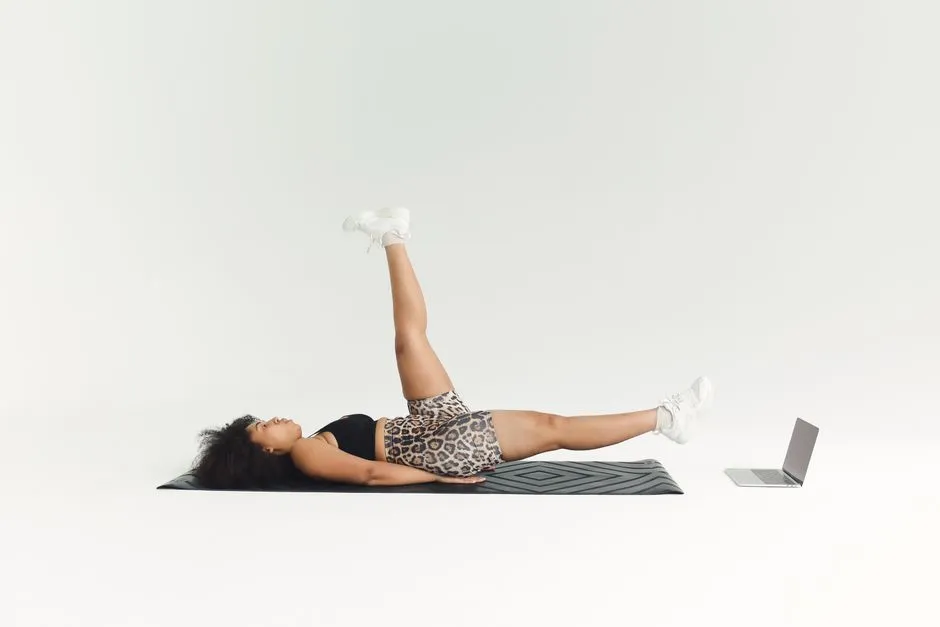
- Walking can be useful, but pain sets the terms
- When not to start a walk
- Find your starting dose
- Use a symptom traffic light
- Choose a knee-friendly route
- Pace, stride, and posture
- Footwear: comfort first, mythology second
- Walking aids are tools, not defeat
- Progress one thing at a time
- Walking and strengthening do different jobs
- Keep a two-line walking log
- When to get individual help
- Sources
Walking can be useful, but pain sets the terms
Walking can be a reasonable low-impact activity for some people with mild, familiar knee pain. Start on a flat, predictable surface for a duration you already tolerate, keep a comfortable pace, and increase only one variable at a time. Stop or shorten the walk if pain becomes sharp, your gait changes, swelling grows, or the knee stays noticeably worse afterward.
That is the practical answer. The annoying answer is that "knee pain" is a symptom, not one condition, so walking cannot be universally prescribed from a web page. A person with mild stiffness, someone recovering from surgery, and someone whose knee twisted yesterday do not need the same plan.
This guide is general education, not medical advice, diagnosis, or treatment. If pain is severe, persistent, follows an injury, or comes with swelling, locking, giving way, redness, heat, or fever, see a doctor or physical therapist before building a walking program. Stop any movement that causes sharp pain.
When not to start a walk
Do not use a walking plan to test a knee that may need prompt assessment. NHS knee-pain guidance advises urgent help when a knee is very painful, cannot move or bear weight, is badly swollen or misshapen, locks or gives way, or is hot and red alongside a high temperature or feeling unwell.
Pause and seek appropriate care if:
- pain followed a fall, collision, sudden twist, or audible pop;
- you cannot put normal weight through the leg;
- swelling arrived quickly or keeps increasing;
- the joint is red, hot, or accompanied by fever or chills;
- the knee locks, gives way, or will not straighten;
- calf swelling, chest pain, or shortness of breath appears;
- pain is severe, unfamiliar, or worsening rather than settling.
If you recently had surgery, an injection, a fracture, or a diagnosed condition, follow the plan from your clinical team. Generic advice does not outrank the person who knows what happened inside your knee.
Find your starting dose
The right first walk is shorter and easier than your current limit. Choose a duration you have recently managed without limping or a prolonged flare. That might be 3 minutes to the corner and back, 10 minutes around a level block, or an ordinary errand that already goes well.
Use this simple baseline:
- Pick a flat, familiar route with an easy way home.
- Walk at a pace that allows normal conversation.
- Check your pain, swelling, confidence, and gait before starting.
- Notice whether symptoms rise steadily or remain stable during the walk.
- Check again shortly after and later that day.
- Repeat the same dose on another day before increasing it.
Do not hunt for the precise minute at which your knee becomes furious. Ending with some capacity in reserve gives you better information than limping home after an experiment nobody approved.
A tiny route is not failure. It is a measurement. Once you know what your knee currently tolerates, progress becomes a series of modest edits rather than a weekly referendum on your character.
Use a symptom traffic light
Pain scales can make a fuzzy experience look more exact than it is. A behaviour-based traffic light is often easier:
Green: continue
- sensation is mild and familiar;
- your walking pattern stays normal;
- pain does not steadily climb;
- the knee settles to its usual state after the walk;
- there is no new swelling or instability.
Yellow: shorten or adjust
- discomfort rises during the route;
- you begin protecting one side or taking shorter steps;
- the knee feels more swollen or stiff later;
- the same dose is harder on repeated attempts.
Return to the last comfortable duration, choose flatter ground, slow down, or split one walk into two. If yellow keeps returning, ask a physical therapist or doctor for guidance.
Red: stop and seek advice
- sharp, sudden, or rapidly escalating pain;
- locking, buckling, or inability to bear weight;
- major or new swelling;
- redness, heat, fever, or feeling unwell;
- symptoms after a significant injury.
The traffic light does not tell you what is wrong. It tells you whether continuing the activity is a sensible gamble. Red is not the colour for gambling.
Choose a knee-friendly route
Start with flat, even, well-lit ground. A short loop near home is better than an out-and-back route that delivers its verdict at the farthest point. Indoor corridors, a quiet shopping centre, a level track, or a treadmill can remove weather and uneven surfaces from the equation.
Hills change the demand. Walking uphill needs more force; downhill walking asks the thigh muscles to control your descent and often feels tougher on a sore knee. Save both until level walking is predictable. Stairs are not a mandatory warm-up.
On a treadmill, begin only after you are steady, use a slow speed, and know where the stop control is. Holding the rails in a death grip changes posture and gait; if you need that much support, a supervised setting may be wiser. When walking outdoors, avoid broken pavement, loose gravel, crowded crossings, and routes without a bench or shortcut.
Pace, stride, and posture
Comfortable beats impressive. Walk tall, look ahead, let the arms swing naturally, and use a relaxed stride. Do not force a long heel-first step or consciously twist the feet into a position someone online declared perfect. Your gait should feel natural and symmetrical.
If you begin limping, the walk is already too demanding for that moment. Slow down, shorten the route, or stop. Rehearsing a protective gait can leave the hip, back, ankle, or other knee sharing the complaint.
A few minutes of easy movement before the main walk can help you assess the day. March gently in place, take several comfortable knee bends holding a counter, or simply make the first section slower. A warm-up is information gathering, not a ritual you must complete through pain.
Footwear: comfort first, mythology second
Wear shoes that fit securely, feel comfortable, and are not worn unevenly through the sole. The right shoe should not pinch, slide, or make you alter your gait. There is no single shoe model that fixes every painful knee, and expensive cushioning cannot compensate for a walking dose that is too large.
If your symptoms change with footwear, bring the shoes to a physical therapist, podiatrist, or qualified footwear professional. Inserts, braces, and specialised shoes can help selected people, but they should solve a defined problem. Buying a cart full of accessories before anyone has watched you walk is retail cardio.
Walking aids are tools, not defeat
A cane or walking stick can reduce load and improve confidence for some people. General guidance commonly places a cane in the hand opposite the painful knee, moving it forward with that leg. But height, grip, timing, balance, surgery status, and pain in both knees can change the setup.
Have a physical therapist or other qualified clinician fit the aid and teach you. The Arthritis Foundation specifically advises using a cane opposite the affected knee and notes its use on uneven surfaces or stairs. That is a general principle, not a substitute for individual fitting.
Use handrails on stairs. If steps are unavoidable and one knee is clearly worse, a clinician can show you an appropriate sequence and aid technique. Do not learn it while carrying groceries, replying to a message, and pretending gravity is merely a suggestion.
Progress one thing at a time
Walking load comes from duration, speed, frequency, hills, surface, and carried weight. Change only one. If you add time, keep pace and terrain familiar. If you add a slight hill, shorten the route. If you walk more days, do not also make every day longer.
A practical sequence is:
- repeat the starting walk until its response is predictable;
- add a small amount of time to one walk;
- repeat the new duration before adding again;
- build total comfortable time before chasing speed or hills;
- include easier days rather than making every walk a test.
Symptoms naturally vary. On a cranky day, use the previous shorter route or switch to comfortable range-of-motion work. On a good day, resist doubling the distance because your knee has finally "learned its lesson." Joints are not improved by surprise parties.
Walking and strengthening do different jobs
Walking practises endurance, balance, and the specific task of walking. It does not fully replace strengthening for the quadriceps, hips, hamstrings, and calves. Those muscles help manage force and control the leg during daily movement.
Our gentle knee strengthening guide covers straight-leg raises, bridges, shallow wall sits, step-ups, and related options. Do not add the entire routine on the same day as a longer walk. Introduce one load at a time so you can tell what your knee is answering.
If the knee is temporarily irritable, home knee-pain relief explains relative rest, wrapped ice or heat, compression, and gentle movement. None is a cure; each can make sensible activity easier.
Keep a two-line walking log
You do not need a spreadsheet with seventeen colours. Record:
- Dose: minutes, route, surface, pace, and aid used.
- Response: symptoms during, shortly after, and later that day or next morning.
Look for patterns across several walks. If flat 8-minute walks are consistently comfortable and 15-minute walks consistently trigger a limp, the next move is not mysterious. If response is unpredictable, worsening, or detached from activity, the log becomes useful information for a clinician.
When to get individual help
See a doctor or physical therapist if knee pain persists, repeatedly limits walking, causes a limp, or does not improve with sensible adjustment. Get help sooner for injury, marked swelling, locking, giving way, inability to bear weight, fever, redness, heat, or severe pain.
A physical therapist can assess gait, strength, range of motion, footwear, and whether an aid would help. They can also decide whether walking is currently the right exercise or whether cycling, water exercise, or another option better fits the situation. AAOS patient guidance lists walking, cycling, and swimming as lower-impact options in knee osteoarthritis, but the appropriate choice depends on the person and diagnosis.
Browse our knee exercise guides for more conservative ways to build capacity. The goal is not to win walking. It is to make walking ordinary again.